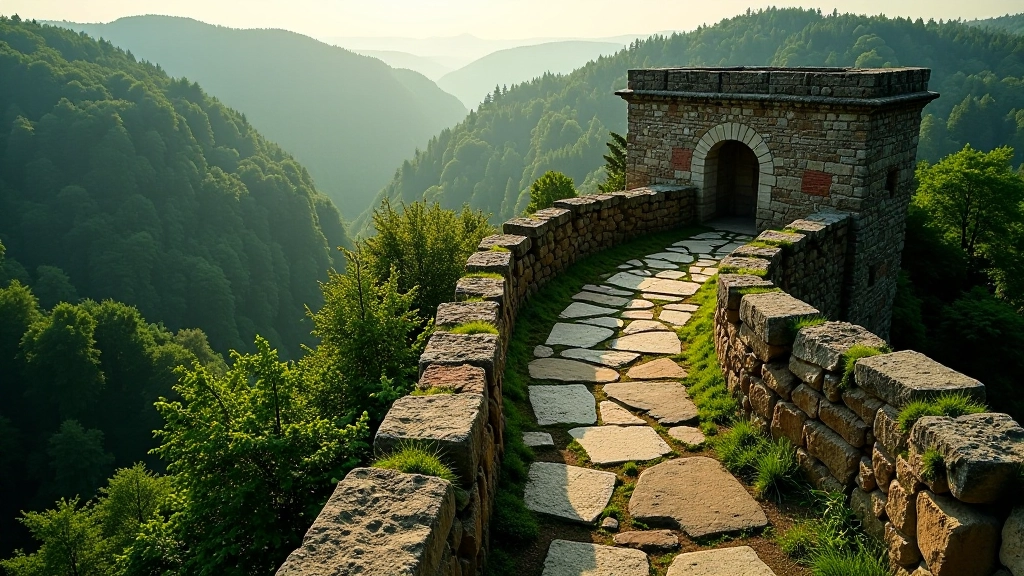
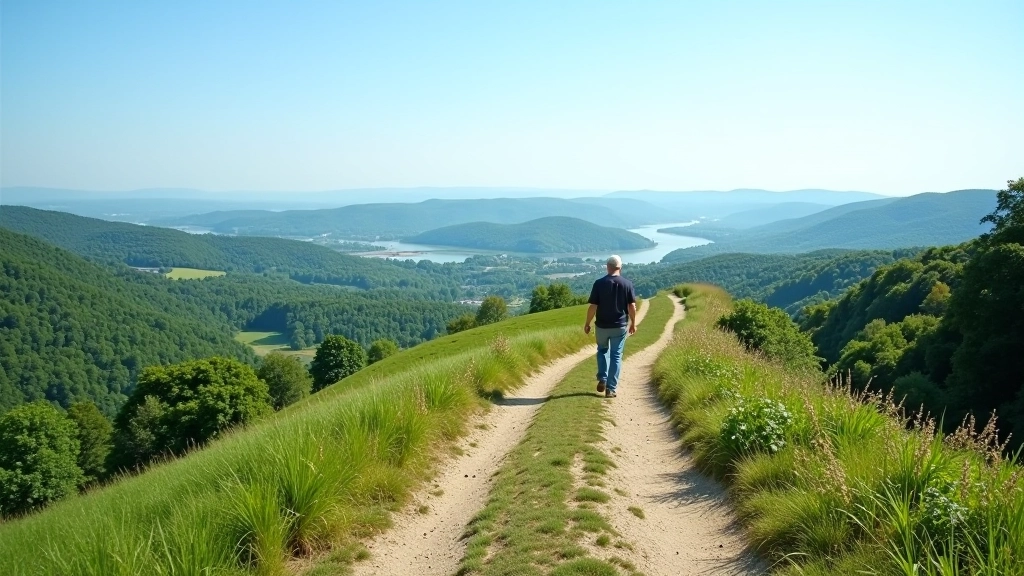
Turaida Castle Viewpoint Walk — Easy Route
A gentle 2-kilometer loop with stunning views of the castle and Gauja River valley...
What to bring on castle trail walks — from proper footwear to hydration. Plus weather considerations for different seasons.

The castle trails around Sigulda aren't particularly demanding, but they're not walks in the park either. You'll encounter elevation changes, uneven terrain, and sometimes muddy sections depending on the season. We're talking about real hiking that requires proper preparation.
The good news? You don't need expensive gear or complicated equipment. What you do need is the right fundamentals — good shoes, enough water, and awareness of what the weather might throw at you. We've seen people struggle on these trails simply because they underestimated what they'd need. It's not difficult to avoid that.
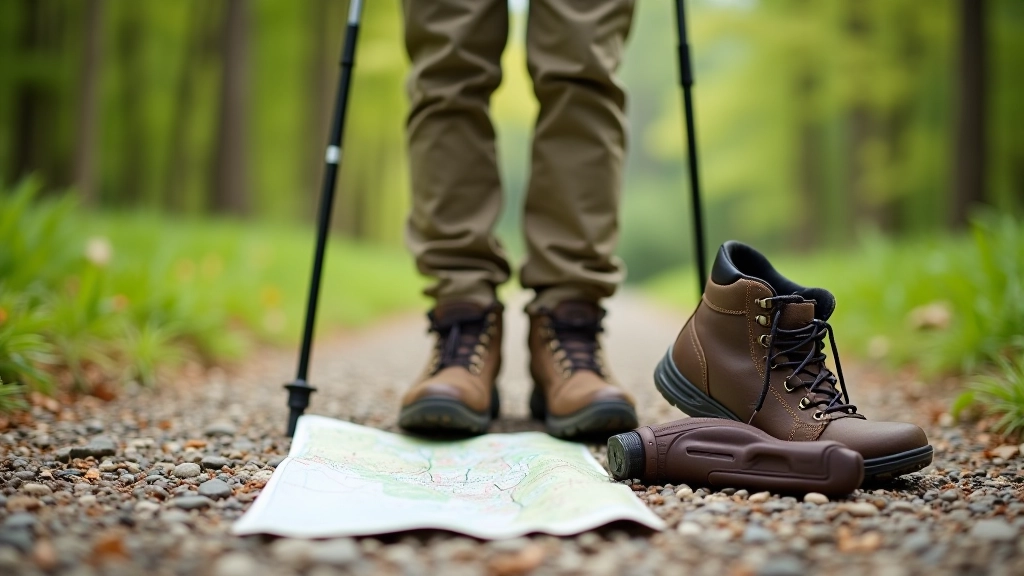
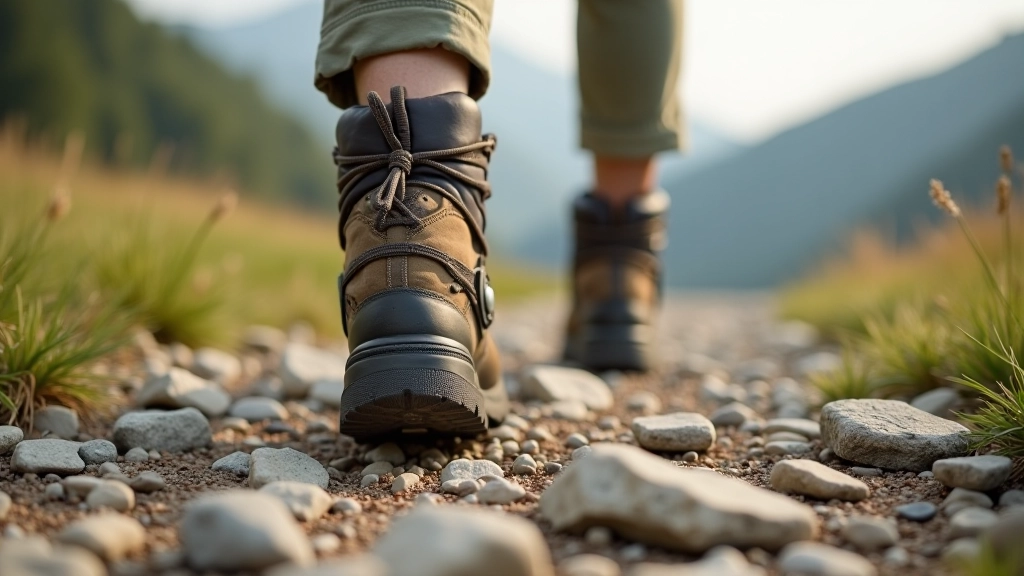
Your shoes are the single most important piece of gear. The Kremon and Turaida trails have plenty of loose gravel, exposed roots, and steep sections where you need proper support. Standard sneakers just won't cut it here — they don't provide enough ankle stability.
Hiking boots or trail shoes with ankle support are what you're after. They should have a decent tread pattern for grip on wet or slippery surfaces. Break them in before you hit the trails though. Blisters on a 4-kilometer walk are miserable. Wear them around your house for a few days, take them on a shorter walk first. Your feet will thank you.
Gaiters (those cloth coverings that go over your boots) aren't essential, but they're genuinely helpful for keeping gravel and mud out of your socks. If you're walking in late spring or after rain, they save a lot of irritation.
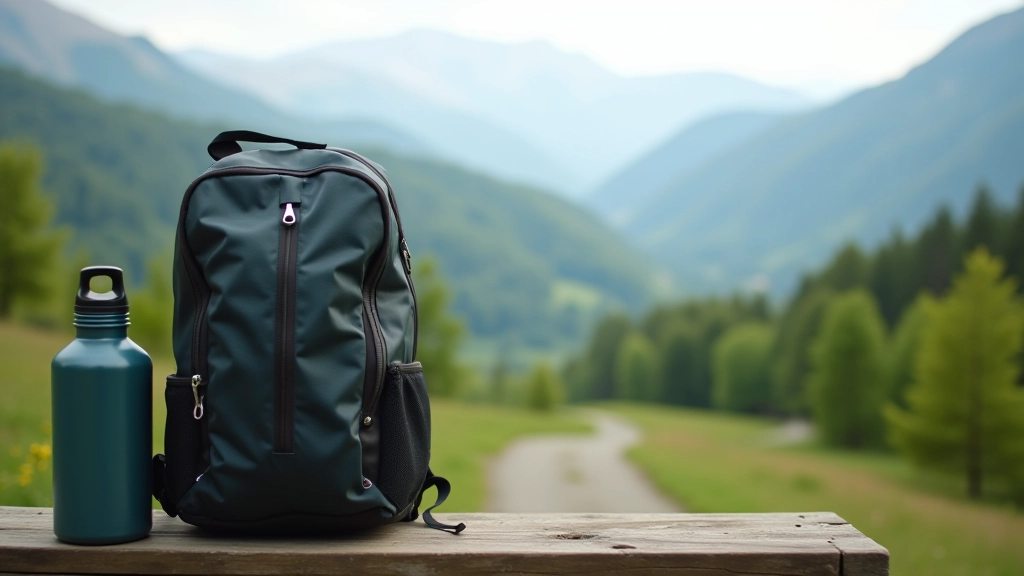
You'll see people making the same mistake repeatedly — they underestimate how much water they need. The Turaida viewpoint walk is only 2 kilometers, but it's got elevation. Kremon's ruins trail is about 3 kilometers but climbs consistently. You're working harder than a casual stroll, and you need water to match that effort.
A 2-liter hydration pack or two water bottles is the minimum. In summer, when temperatures climb to 25°C or higher, bring 3 liters if you're doing a longer route. It's not just about quenching thirst — staying hydrated keeps your legs from cramping and your head clear. Dehydration creeps up on you.
Bring snacks too. A banana, some nuts, or an energy bar keeps your energy steady. You don't need much, but you do need something. A 90-minute hike burns calories, and running on empty makes everything harder.
This is where most people get it wrong. They dress for the weather when they arrive, not for what happens while they're hiking. Once you start moving, your body temperature climbs. You'll be warm within 10 minutes, but you still need to manage what you're wearing.
Layers are your friend. Start with a moisture-wicking base layer (merino wool or synthetic, not cotton). Add a lightweight jacket you can remove. In spring and autumn, a fleece under the jacket gives you flexibility. You'll shed layers as you warm up and put them back on at the viewpoint when you stop moving.
Summer (June-August): Shorts and a t-shirt work fine, but bring a light jacket anyway. Weather changes fast, and wind at elevation cools you down. A hat keeps sun off your head — important for a 2-3 hour walk.
Autumn (September-October): Lightweight hiking pants and long sleeves. The mornings are chilly around 10-15°C, but afternoon warmth means you'll want that removable layer. Rain is more common, so a waterproof jacket is sensible.
Winter (November-March): Proper insulation. Thermal base layer, fleece mid-layer, waterproof jacket. Conditions can get slippery with ice, so traction matters. You'll see fewer people, but that's not the time to cut corners on gear.
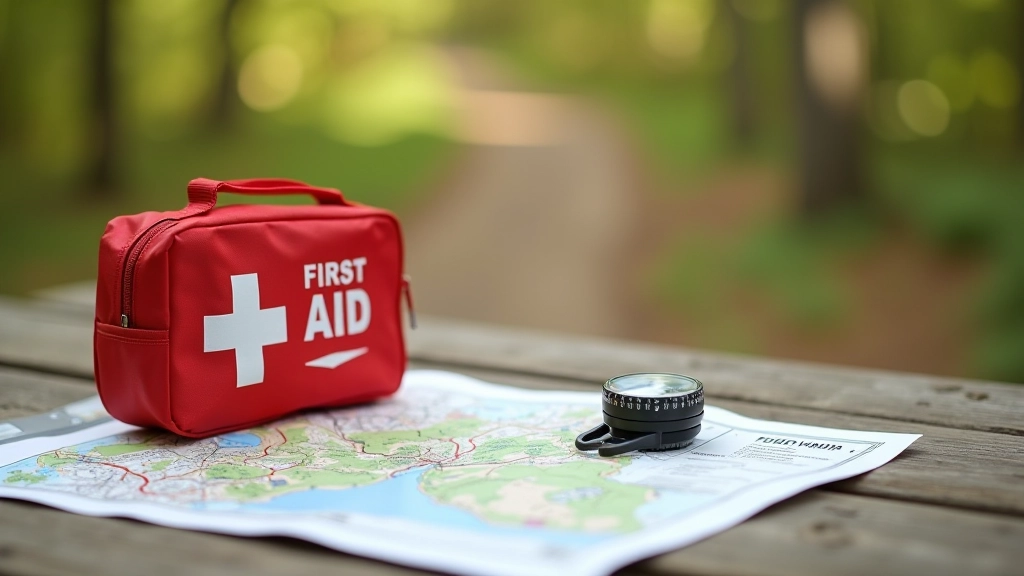
A small first aid kit weighs almost nothing but solves problems quickly. Include blister treatment, bandages, pain relief, and maybe a compression bandage for minor sprains. Most issues on these trails are minor, but having something to treat them makes the hike more comfortable.
Bring your phone fully charged. Cell reception is generally good around the Sigulda trails, but you want a full battery regardless. A simple whistle takes up no space and works when batteries don't. It's not paranoia — it's practical.
Tell someone where you're going and roughly when you'll be back. The trails are well-marked and maintained, but knowing someone's expecting you home by a certain time means they'll notice if something goes wrong. A 2-3 hour walk shouldn't take 5 hours — if it does, that's information.
Start early. Morning light is better for navigation, and you've got the whole day to finish. Don't push to complete a hike in darkness. Uneven terrain becomes dangerous when you can't see it clearly.
Spring (April-May) brings unpredictable conditions. Temperatures range from 5°C mornings to 18°C afternoons. Rain is common. Trails can be muddy from snowmelt. You'll need waterproof pants and a decent jacket. The views are worth it though — fresh growth and blooming wildflowers make the trails beautiful.
Summer is straightforward but hot. The sun is intense at elevation, and exposed sections offer no shade. Sunscreen matters. UV protection in your clothing helps. Start early to finish before peak heat. The longest daylight means you've got time — use it to avoid the hottest hours.
Autumn is probably the best time. Temperatures are moderate, rain less frequent than spring, and the landscape changes colors daily. September and early October are ideal. Later autumn gets colder and wetter, and daylight shrinks fast. By November, you're dealing with wet leaves hiding root hazards.
Winter transforms the trails. Snow and ice create real hazards. You need proper winter boots with traction, microspikes if conditions are icy, and extra layers. Check trail conditions before you go. Some routes close temporarily when conditions are dangerous. It's not worth risking a fall on ice.
The castle trails around Sigulda reward preparation. You don't need thousands of euros in fancy equipment. Good boots, adequate water, weather-appropriate clothing, and basic safety items cover 95% of what you need. The rest is common sense — start early, tell someone where you're going, and listen to your body.
Most problems on these trails come from people who underestimated them. They wore wrong shoes, brought too little water, or dressed for the weather when they left home instead of for what hiking actually demands. You won't make those mistakes if you're intentional about your gear.
Get the fundamentals right, and you'll spend your time enjoying the views instead of managing discomfort. That's what these trails deserve — your full attention on the landscape, not on your blistered feet.
This article provides informational guidance about hiking preparation and gear selection. Individual circumstances, fitness levels, and health conditions vary significantly. Always consult with your doctor before beginning any hiking activity, especially if you have pre-existing health conditions or concerns. Weather conditions change rapidly — check forecasts and trail conditions before departure. The castle trails are maintained and marked, but terrain hazards exist. Hike responsibly and know your limitations. In case of emergency, contact local emergency services or the Sigulda tourism information center.