Kremon Castle Ruins Trail Guide
Explore the restored stone foundations and learn what you'll discover on this accessible hilltop path through centuries of history.
What Awaits You at Kremon
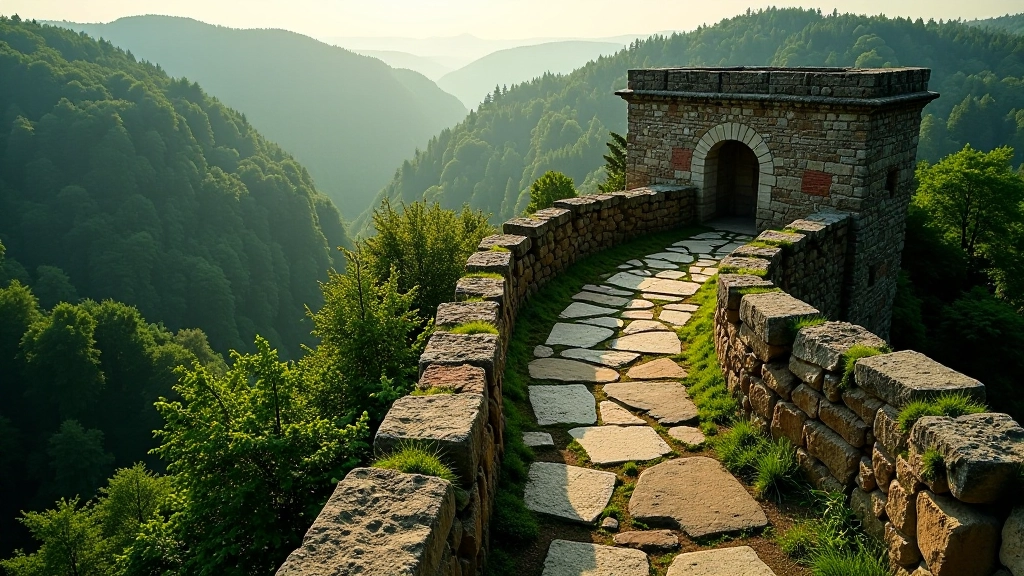
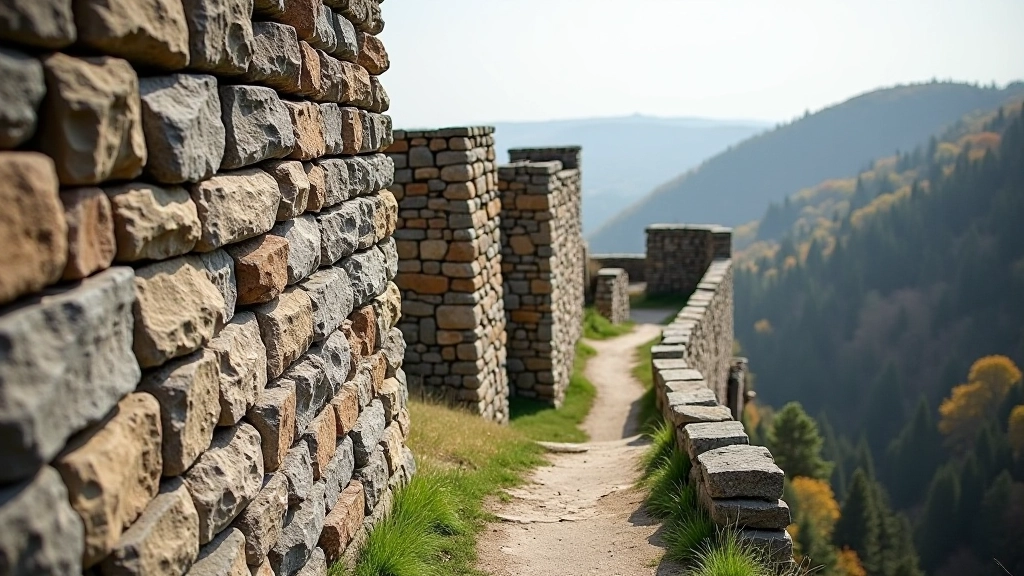
Kremon isn't like other castle ruins you'll find. The restored stonework here tells a clear story — you're walking through actual medieval foundations, not just scattered rubble. We're talking original walls that stood nearly 800 years ago, now stabilized and made safe for visitors.
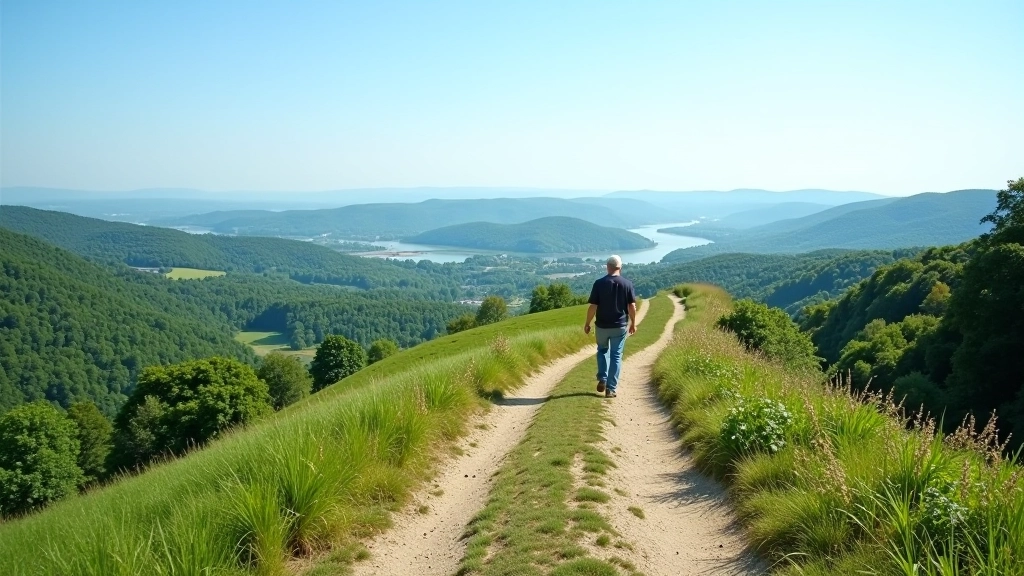
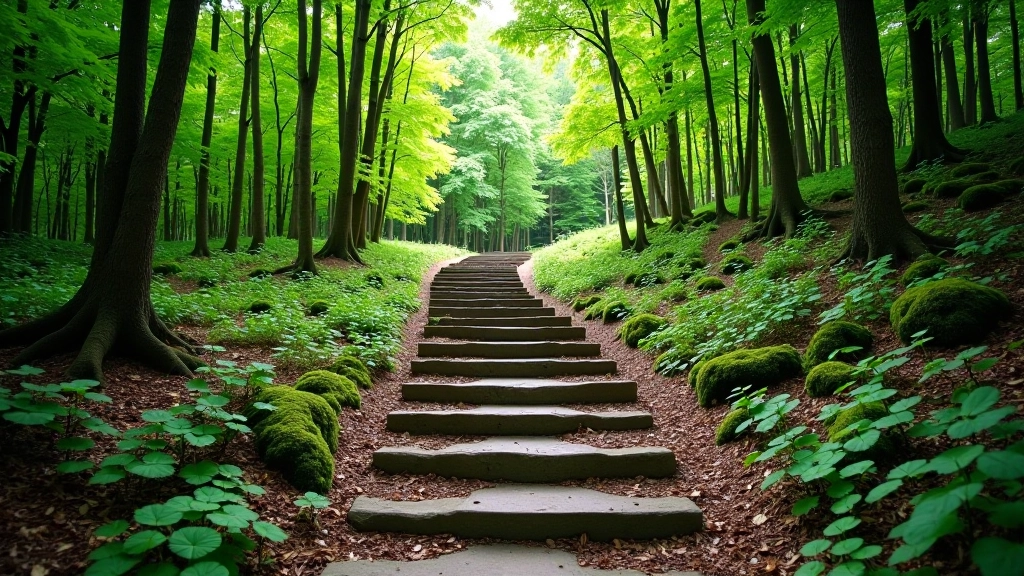
The site sits roughly 40 meters above the surrounding landscape, so you'll get genuine elevation as you climb. But here's the thing — it's not steep. The pathways wind gradually upward with plenty of stable stone steps and handholds built into the more challenging sections.
Most people spend 45 minutes to an hour exploring the ruins themselves. You'll see the defensive walls, the central tower foundation, and on clear days the views stretch across the Gauja River valley. It's not crowded, which makes it perfect for actually taking time to understand what you're looking at.
Quick Facts
- Elevation gain: ~40 meters
- Trail time: 45-60 minutes at the ruins
- Surface: Stone steps and packed earth
- Best footwear: Hiking boots with ankle support
- Seasonal access: Open year-round
Understanding the Layout
The ruins themselves follow a predictable medieval castle design. You'll enter through what was once the outer defensive wall — there's a clear opening where the main gate stood. The path leads upward toward the central tower, which is the highest point and where you'll want to spend the most time.
What makes this site special is how intact the stonework remains. You're not guessing at what things looked like — the walls still stand 3-4 meters high in many sections. The restored portions are marked differently so you can distinguish original medieval stone from modern stabilization work. This detail matters because it helps you actually read the history instead of imagining it.
The ground inside the main structure is uneven. There's a depression where the courtyard was, with walls rising around it. You'll navigate through this by following the established pathways. Handholds are carved into the stone at the steepest points, and wooden railings help where the terrain is most challenging.
Seasonal Conditions & Best Times
Spring (April-May)
Ground's often muddy from snowmelt. The stone can be slippery. But wildflowers bloom along the approach path and visibility is excellent. Bring extra grip if you go early season.
Summer (June-August)
Ideal conditions. Dry stone, warm weather, long daylight hours. The downside is higher visitor traffic on weekends. Go on a weekday morning for a quieter experience and better light for photos.
Autumn (September-October)
Crisp air, changing foliage, and moderate crowds. The views are often clearest in autumn because the air tends to be drier. Some stones can be slick from fallen leaves though.
Winter (November-March)
The site's accessible but requires caution. Ice forms on stone steps in shaded areas. You'll need winter boots with serious grip. Daylight's limited so start early. The upside? Complete solitude and dramatic frozen landscapes.
Safety Essentials You'll Actually Need
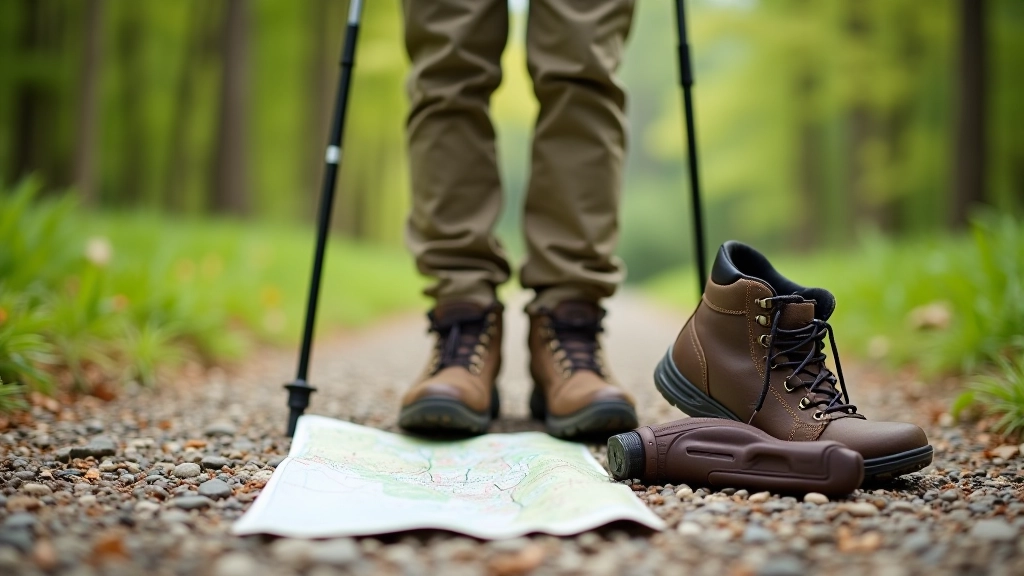
The most important thing isn't the elevation or the distance. It's footwear. You'll be standing on medieval stone that's worn smooth and uneven. Hiking boots with good ankle support and aggressive tread make the difference between a comfortable experience and a twisted ankle. We're not exaggerating this part.
Bring water. Even though you're not hiking for hours, you'll be moving around and climbing. A liter per person is plenty. The stone retains heat in summer, so you'll notice the warmth once you're inside the ruins and out of tree shade.
Watch your footing at all times. The paths are safe when you're paying attention, but people do slip. Keep both hands available — don't carry things in a way that prevents you from catching yourself. Use the wooden railings. They're there for a reason.
If you've got knee or hip issues, the uneven ground might aggravate them. Test your comfort level on the approach trail before committing to the full ruins exploration. There's no shame in turning back or taking breaks.


What You'll Take Away
Kremon gives you something you don't get from looking at photos or reading history books. You're standing inside actual medieval architecture. You can run your hand along stones that have weathered eight centuries. The scale hits differently when you're there — walls rise above your head, views stretch across the valley, and you're standing where people stood in the 1200s.
The hike itself is manageable. It's not strenuous, but it's not a stroll either. There's enough elevation and uneven terrain to feel like you've done something, without being overwhelming. And the site itself? It rewards close attention. Spend time. Look at the stone details. Sit and take in the views. This isn't a checkbox destination — it's a place worth lingering.
Ready to explore more trails in the area?
Browse all Sigulda trailsImportant Information
This guide is educational and informational. Conditions at Kremon Castle Ruins can change seasonally and may be affected by weather, maintenance work, or other factors. Always verify current access and conditions before visiting. Wear appropriate footwear and bring water. If you have mobility concerns, joint issues, or health conditions that might affect your ability to navigate uneven terrain, assess your comfort level carefully or consult with your healthcare provider. The information provided here is based on typical conditions but shouldn't substitute for your own judgment and preparation.
Explore More Trails