Best Times to Visit — Season Guide
Spring blooms, summer crowds, autumn foliage, and winter conditions. Find out which season works best for your preferences and physical comfort.

Choosing Your Perfect Season
The Sigulda trails are beautiful year-round, but they're not all equally comfortable. Temperature, daylight, crowd levels, and trail conditions change dramatically between seasons. We're here to help you pick the right time based on what matters most to you — whether that's comfort, scenery, or solitude.
We've hiked these paths in every season. We've dealt with muddy spring trails, crowded summer weekends, slippery autumn leaves, and frozen winter conditions. The information here comes from actual experience, not just theory. It's designed specifically for older adults who want to enjoy the trails without surprises.
Quick Overview
- Spring: Muddy but magical with new growth
- Summer: Dry trails, full crowds, very hot midday
- Autumn: Ideal weather, stunning colors, moderate crowds
- Winter: Frozen, beautiful, but requires special precautions
Spring (April–May): Renewal and Mud
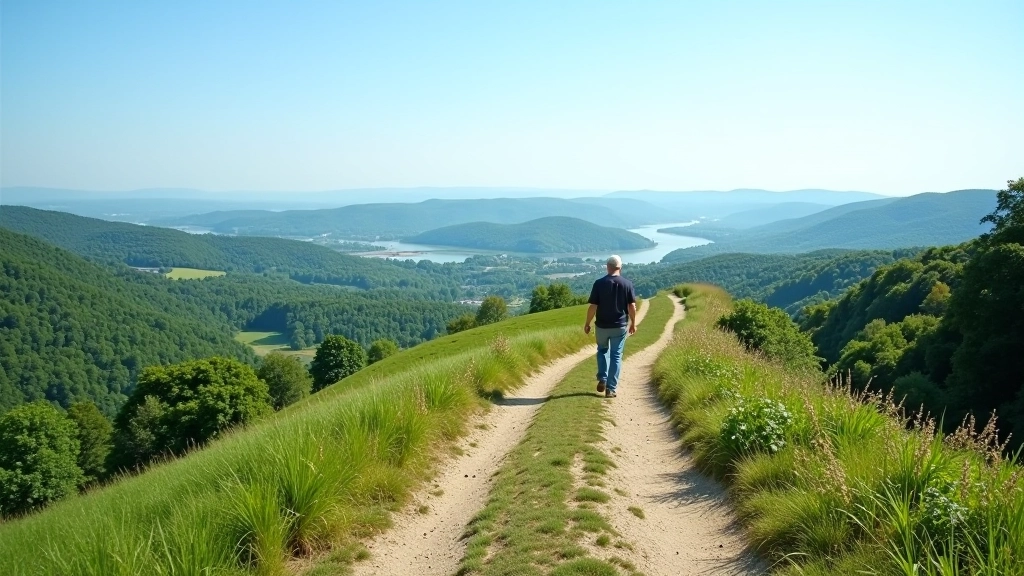
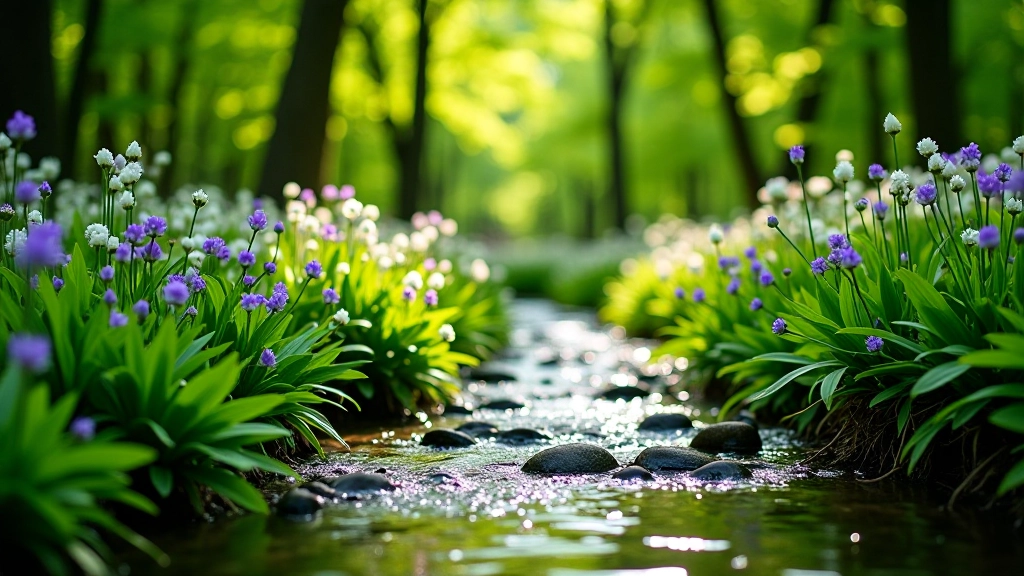
Spring arrives quietly in Sigulda. The air gets warmer — usually 8–15°C (46–59°F) — and the forest comes alive. Wildflowers bloom along the lower trails, and you'll see fresh green shoots everywhere. It's genuinely beautiful if you don't mind the mud.
Here's the honest part: the trails get seriously muddy in spring. We're talking about sections where your boots sink 2–3 inches into soft earth. The lower Kremon path and parts of the Turaida loop become nearly impassable after heavy rain. If you've got balance issues or knee problems, spring's muddy conditions might not be worth it. But if you can handle uneven footing and don't mind cleaning your boots afterward, the solitude and fresh growth make it worthwhile.
Daylight expands fast — you'll have roughly 14–15 hours by May. That means plenty of time for a morning walk without rushing. Insect activity picks up too. We don't see many mosquitoes until late May, but it's worth bringing insect repellent just in case.
Spring Tips
- Stick to higher elevation paths (Turaida viewpoint) to avoid worst mud
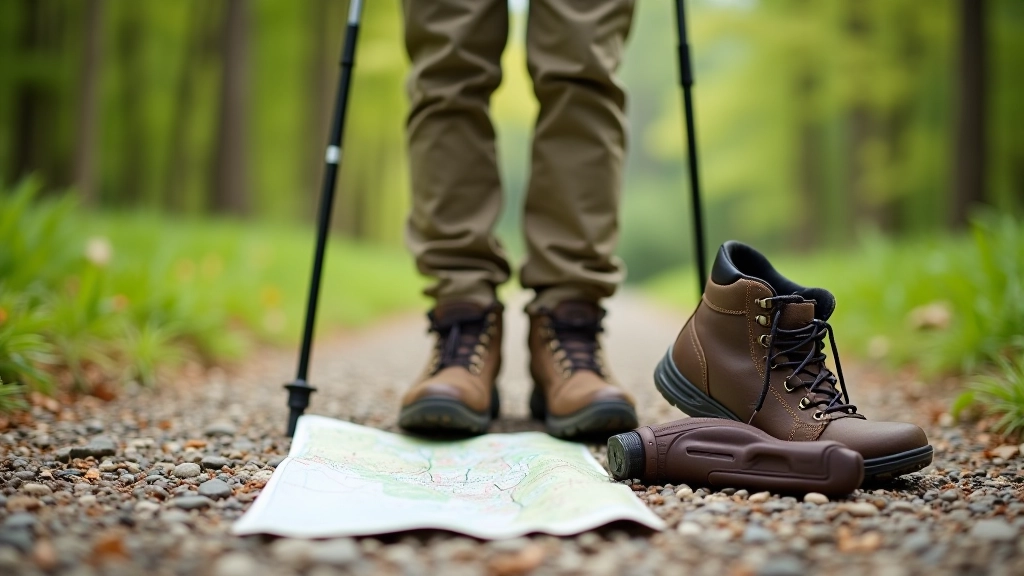
- Waterproof boots are non-negotiable
- Go midweek for solitude — weekends get busier
- Bring extra socks in a backpack
Summer (June–August): Busy, Hot, Perfect Underfoot
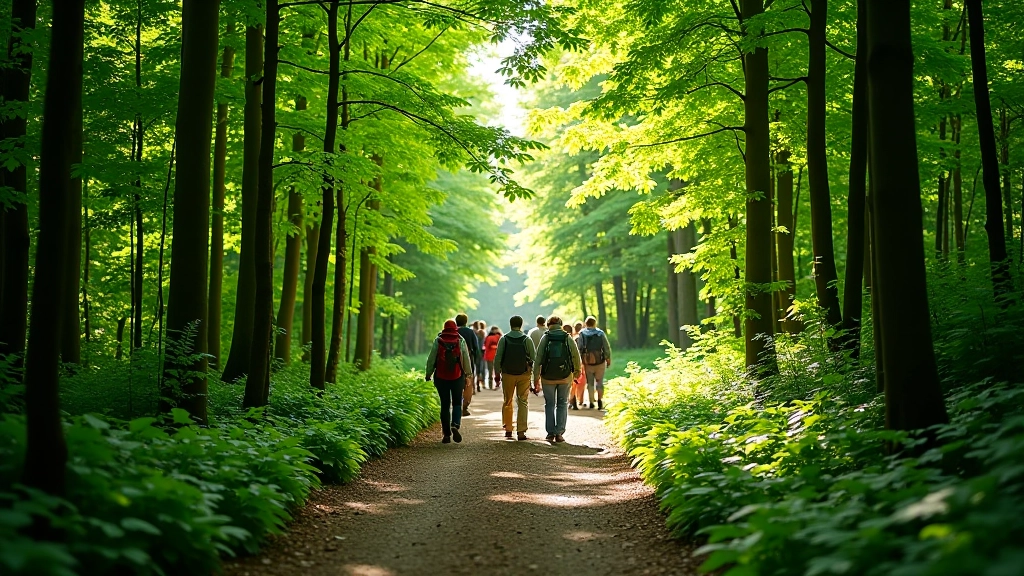
Summer is when everyone visits. The trails are completely dry — no mud, excellent footing, and the forest canopy provides good shade. But "good shade" doesn't mean cool. Temperatures regularly hit 22–26°C (72–79°F), and on exposed hilltops near the castle viewpoints, it feels even hotter. By July and August, midday heat becomes a real challenge for older adults.
The crowds are intense. Weekend mornings see 30–50 people on the main trails. Weekday early starts help — we're talking 7–8 AM before most people arrive. The trails handle it fine, but it's not peaceful or quiet. If you want solitude, summer isn't your season.
Daylight is incredible though. You've got nearly 17 hours of daylight in June, so starting early and finishing by noon leaves you a full afternoon. Insect activity peaks in July, especially mosquitoes near any water features. Bring strong insect repellent.
Summer Tips
- Start by 7 AM to beat crowds and heat
- Bring 1.5–2 liters of water minimum
- Wear light colors and a wide-brimmed hat
- Avoid the trails between 11 AM–4 PM
Autumn (September–October): Peak Season for Good Reason
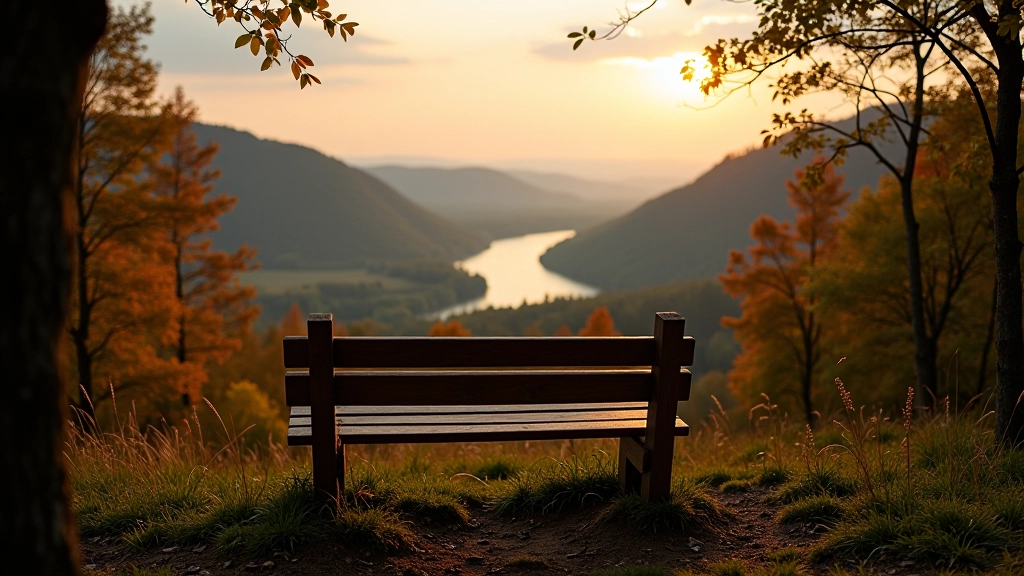
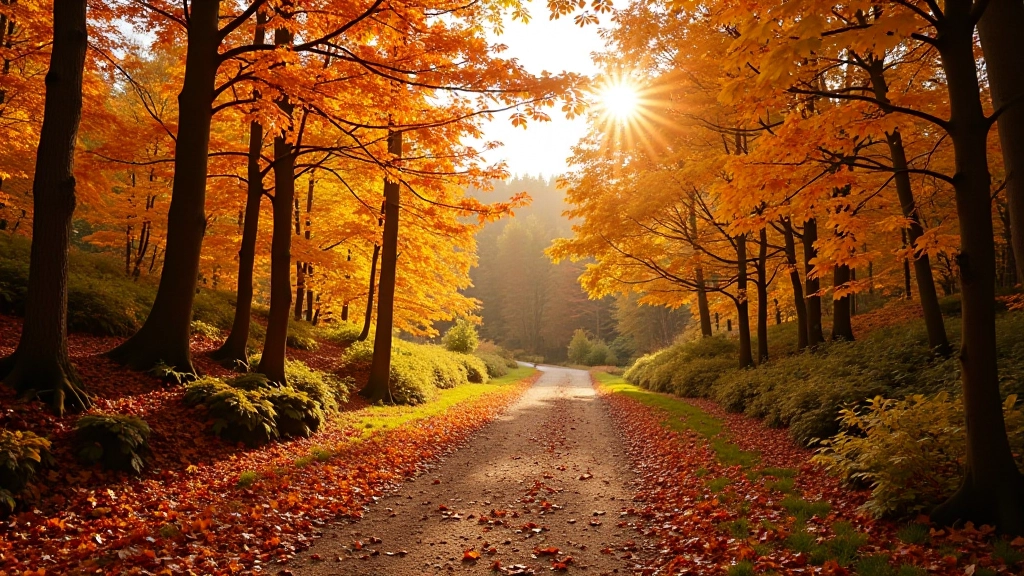
If you're going to hike Sigulda trails once, do it in autumn. Seriously. The temperature sits at 10–16°C (50–61°F) — cool enough that you won't overheat climbing elevation, warm enough that you're comfortable at rest. The foliage is extraordinary. We're not exaggerating: the entire valley turns gold, orange, and deep red from late September through mid-October.
The trails are dry and stable. Fallen leaves can hide roots and rocks, so you need to watch your footing, but it's nothing like spring mud. The crowds are moderate — not summer chaos, but not isolated. Weekend mornings still have 15–20 people, but the atmosphere is completely different. Autumn visitors tend to move slowly, taking photos and breathing in the scenery. Everyone's in a contemplative mood.
Daylight shrinks fast — by October you've got maybe 10 hours. That means starting by 8–9 AM and finishing by 4–5 PM. The lower angle of sunlight makes the foliage even more dramatic. Golden hour lasts most of the day instead of just an hour or two.
Autumn Tips
- Go mid-week in September for smallest crowds and peak colors
- Bring a light jacket — temperature drops fast after 3 PM
- Watch for hidden obstacles under leaf cover
- Start earlier than summer (8 AM at latest)
Winter (November–March): Beautiful but Demanding
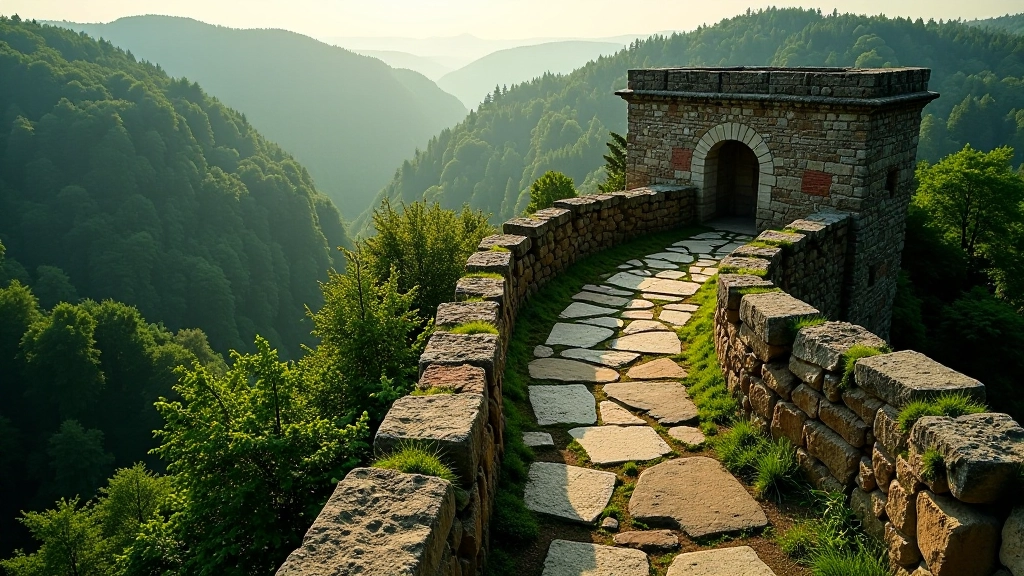
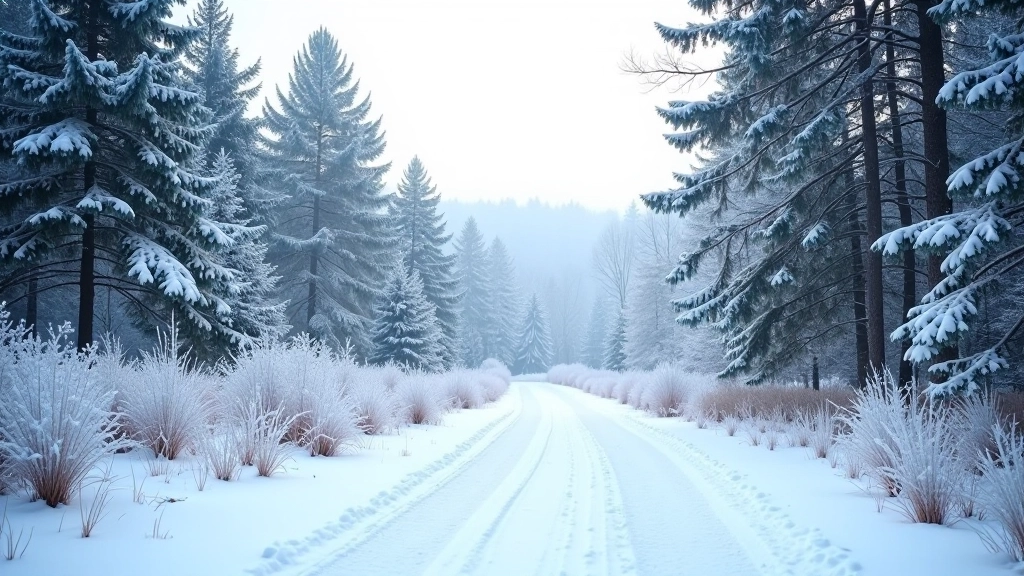
Winter transforms the trails completely. When there's fresh snow, the landscape is stunning — the castle ruins look like something from a fairy tale. But winter hiking requires serious precautions. Temperatures drop to –2 to –8°C (28–18°F), and icy sections appear without warning, especially on exposed viewpoints and anywhere shade blocks the sun.
We need to be direct: winter isn't recommended for older adults with balance concerns or joint issues. The combination of ice, reduced daylight (only 7–8 hours), and cold makes falls more likely and injuries more serious. That said, if you're confident on icy terrain and willing to take precautions, December through February offers complete solitude. You might see three other people all day.
The trails themselves don't close, but they're not actively maintained for winter. That means ice patches stay icy, and you're responsible for checking conditions before you go. Call ahead or check local hiking groups for recent reports. Many older adults skip winter entirely, and that's perfectly reasonable.
Winter Tips
- Microspikes or crampons are essential, not optional
- Hike only on clear, sunny days when ice is most stable
- Start no later than 9 AM (sunset is around 4 PM)
- Tell someone your route and expected return time
- Skip this season if you have any concerns about balance
Season Comparison at a Glance
Spring
Best for: Solitude seekers who don't mind mud
Summer
Best for: Early risers who want guaranteed dry trails
Autumn
Best for: Nearly everyone. Peak season for good reason.
Winter
Best for: Experienced hikers only. Plan carefully.
Making Your Choice
The best time to visit isn't universal. It depends on what you value most — comfort, scenery, solitude, or physical challenge. But if you're asking for our recommendation as experienced guides? Go in autumn. Mid-September through mid-October strikes the perfect balance. You'll have comfortable temperatures, dry trails, spectacular colors, and enough daylight to move at a relaxed pace without rushing.
That said, don't let seasonal timing stop you from exploring. We've guided people on these trails in every season. Spring teaches patience. Summer teaches you to start early. Winter teaches you to respect the landscape. Each season reveals something different about Sigulda's castle trails.
Pick the season that matches your comfort level and preferences. Check the weather forecast a few days before you go. Tell someone where you're heading. And remember — these trails have been here for centuries. They'll be waiting for you whenever you decide to visit.
Ready to Explore?
Learn about the specific trails, gear you'll need, and safety precautions for your chosen season.
View Essential Gear & Safety TipsDisclaimer
This guide is educational and informational in nature. Weather conditions, trail status, and seasonal characteristics vary from year to year and can change rapidly. The information provided is based on typical conditions and general experience but doesn't account for your individual health status, fitness level, or personal circumstances. Before planning any hike, consult current weather forecasts, check trail conditions with local authorities, and consider consulting your healthcare provider if you have specific health concerns. Hiking involves inherent risks. You're responsible for assessing your own abilities and making safe decisions on the trail.