Turaida Castle Viewpoint Walk — Easy Route
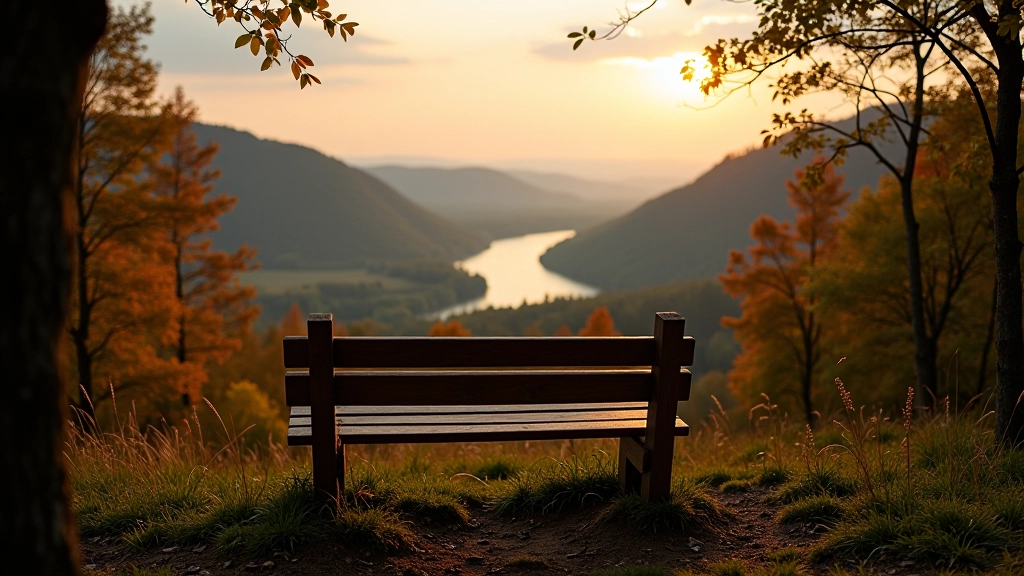
A gentle 2-kilometer loop with stunning views of the castle and Gauja River valley. Rest benches every 300 meters make it manageable for most fitness levels.

Why This Walk Works
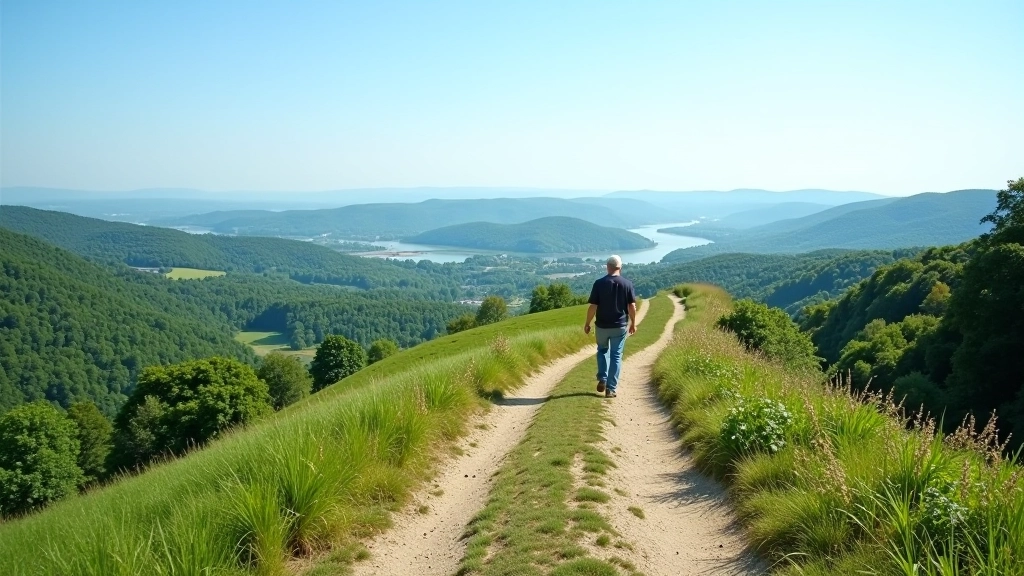
You don't need to be an experienced hiker to enjoy Turaida's viewpoint. The route's designed specifically for people who want beautiful views without the exhaustion. It's a solid walk that doesn't overdo it.
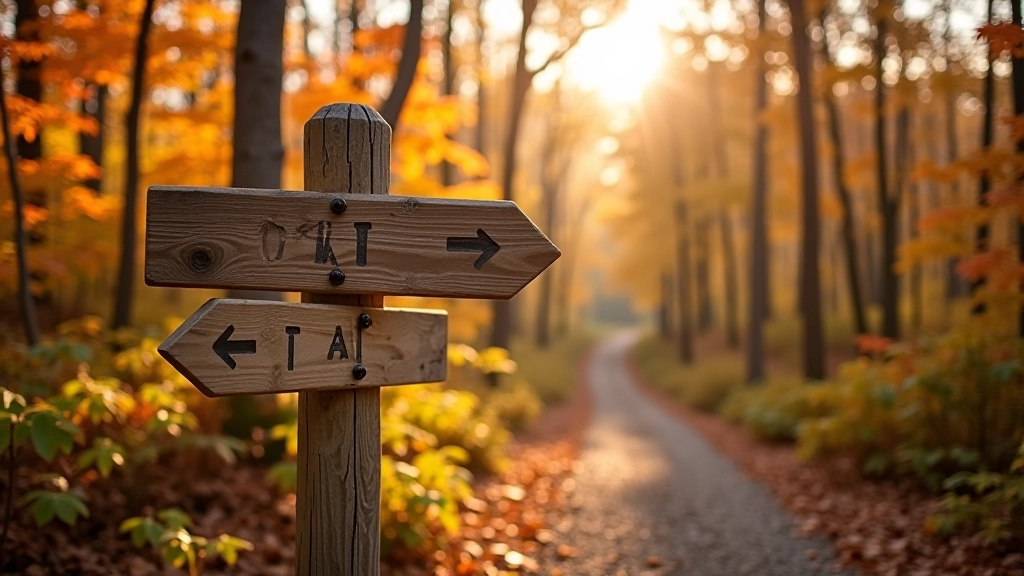
The 2-kilometer loop follows established paths with clear markers. You'll gain about 60 meters elevation total — enough to feel like you've done something, but nothing that'll leave you struggling the next day. Plus, there's a bench every 300 meters if you need a rest and want to soak in the landscape.
What to Expect on the Walk
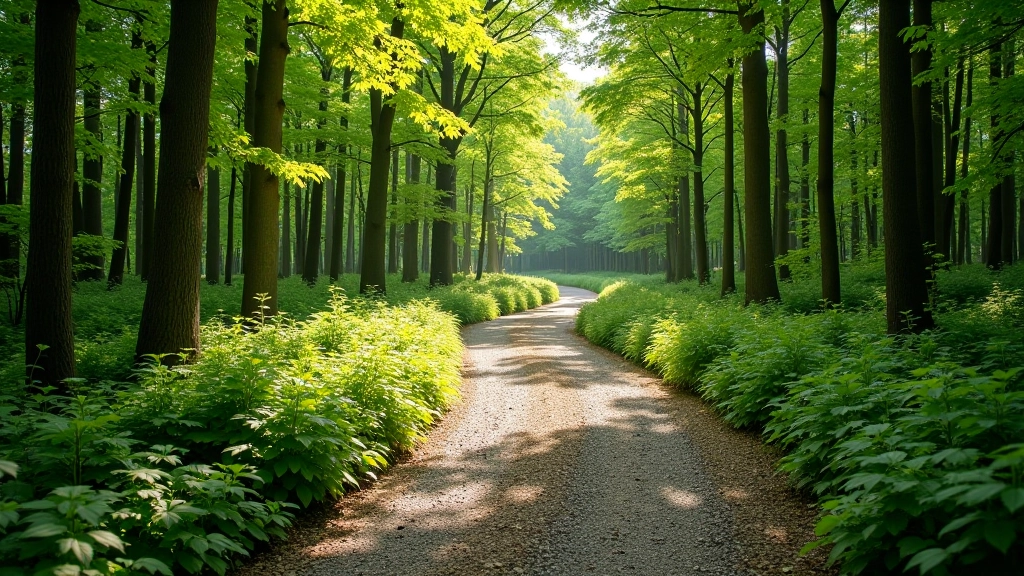
The walk starts from the Turaida Castle parking area. You'll head through mixed forest initially — beech and oak mostly, which means decent shade even on warm days. The path's well-maintained gravel, not rocky or unpredictable.
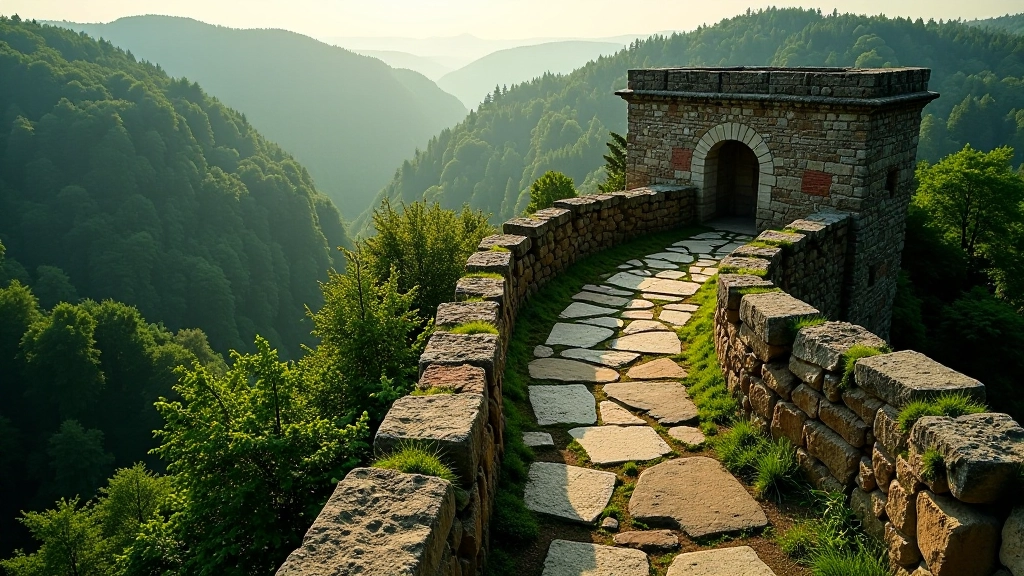
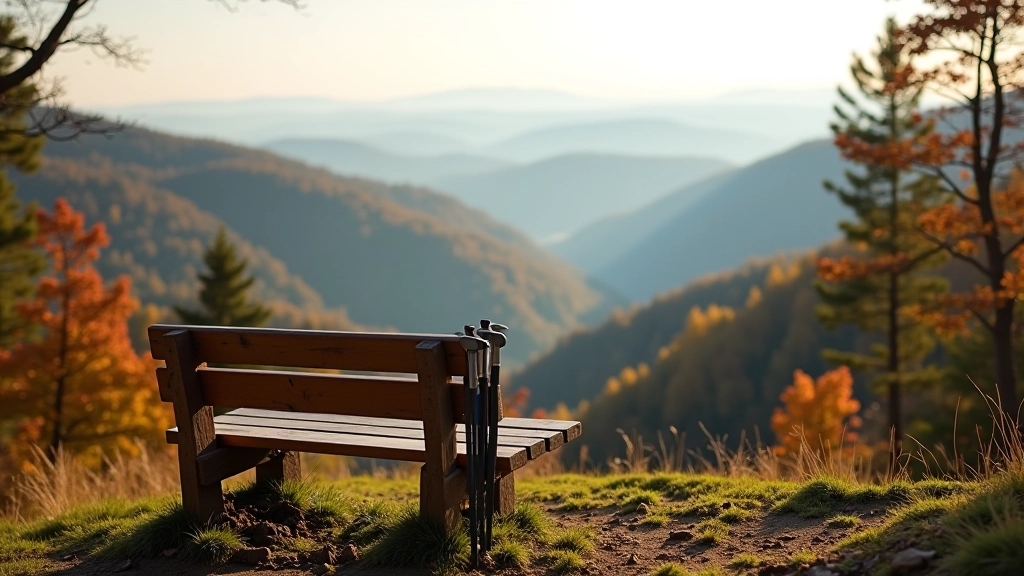
About halfway through, you'll reach the main viewpoint. This is where the effort pays off. You're looking down at the Gauja River valley with the castle grounds below and the forested hills beyond. On clear days you can see several kilometers. Most people spend 10-15 minutes here just taking it in.
The descent is gentler than the climb. That's intentional — you're not tired going down, which means fewer twisted ankles. The last 500 meters bring you back through the castle grounds themselves, so you're finishing on flatter, easier terrain.
Practical Details That Matter
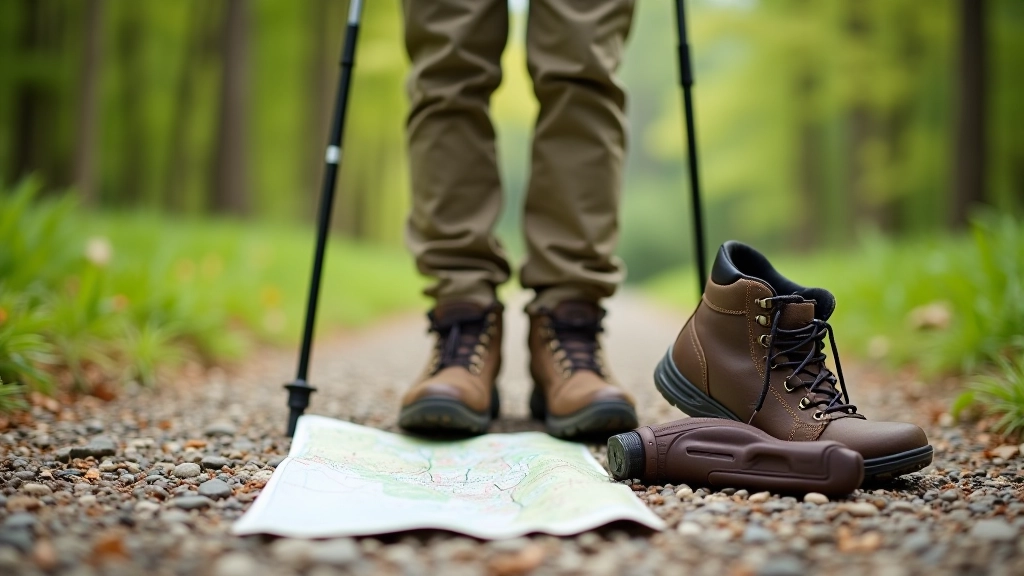
Footwear's important here. You'll want something with decent grip on gravel and ankle support if you've got any concerns with your joints. Walking poles aren't required, but they're genuinely helpful — they reduce impact on knees going downhill and give you something stable to lean on if you're taking a breather.
Bring water. You're not climbing a mountain, but you'll still work up a thirst. A liter's usually plenty for this route. The benches are placed strategically, so you're never more than 5-10 minutes from a place to sit and drink.
Best time to walk is morning or early afternoon. The viewpoint faces generally east-southeast, so you get good light for most of the day. Midday sun can be intense in summer, so aim for before 11 AM or after 3 PM if the temperature's climbing.
Weather and Ground Conditions
Muddy patches after rain. Gravel path drains reasonably well, but give it a day after heavy rainfall. Mosquitoes start appearing mid-May. Temperature swings wildly — bring layers.
Dry and stable underfoot. Early mornings are cooler and less crowded. Heat can build by afternoon — hydration becomes critical. Forest shade helps, but the viewpoint's exposed.
Ideal conditions. Temperatures moderate, humidity drops, and the forest colors are stunning. Occasional slippery leaves on steeper sections — nothing severe, but watch your footing.
Icy in places after freezing rain. The path's not maintained for winter hiking specifically. If there's snow cover, it's walkable but slower. Best avoided unless you're comfortable on slippery terrain.
Tips for Getting the Most Out of It
Start Early
You'll avoid crowds and the path's quieter. You've also got cooler temperatures and better light for photography if that's your thing.
Take the Benches Seriously
Don't think of them as "only for people who struggle." They're part of the experience. Sit, breathe, look around. The walk's not a race.
Bring a Phone for Photos
The viewpoint's genuinely photogenic. Even a basic phone camera captures it well. But don't get so focused on photos that you miss actually experiencing the view.
Wear Socks You Trust
Sounds small, but blisters on a 2-kilometer walk are annoying. Good hiking socks (merino or synthetic blend) keep moisture away from your skin.
Check the Forecast
Not because you need perfect weather, but so you can dress right. Layering beats being cold or overheated halfway through.
Pace Yourself
There's no benefit to rushing. The slower pace actually gives you more time to notice the forest around you — birdsong, light through the leaves, the smell of soil and trees.
Why People Keep Coming Back
This walk's popular because it doesn't make demands. You're not proving something to yourself or trying to tick a box. You're spending 45 minutes in nature, getting a decent view, and not feeling wiped out afterwards. That's actually rare in hiking — most routes are either "easy but boring" or "stunning but brutal."
Turaida's that sweet spot. The view genuinely rewards the effort. The benches mean you can rest whenever you want without feeling like you're slowing anyone down. And the forest itself — mixed beech and oak with decent shade — is pleasant to walk through even if the view didn't exist.
It's also a route you can repeat. Spring looks different from autumn. A cloudy day shows you the forest; a clear day shows you the valley. You'll notice different things each time. That's the mark of a good walk — it holds up to repetition.
Information Disclaimer
This guide is provided for informational purposes based on typical conditions. Trail conditions, weather, and accessibility can change. Always check current conditions before visiting, bring appropriate gear, and consider your personal fitness level. If you have health concerns or mobility limitations, consult with a healthcare provider before attempting any hiking route. The information here is general guidance — local conditions and your individual circumstances may differ significantly.
More Routes to Explore